
Is Your Child Shy? How After-School Arts Classes Build Confidence and Friendships in Waterloo
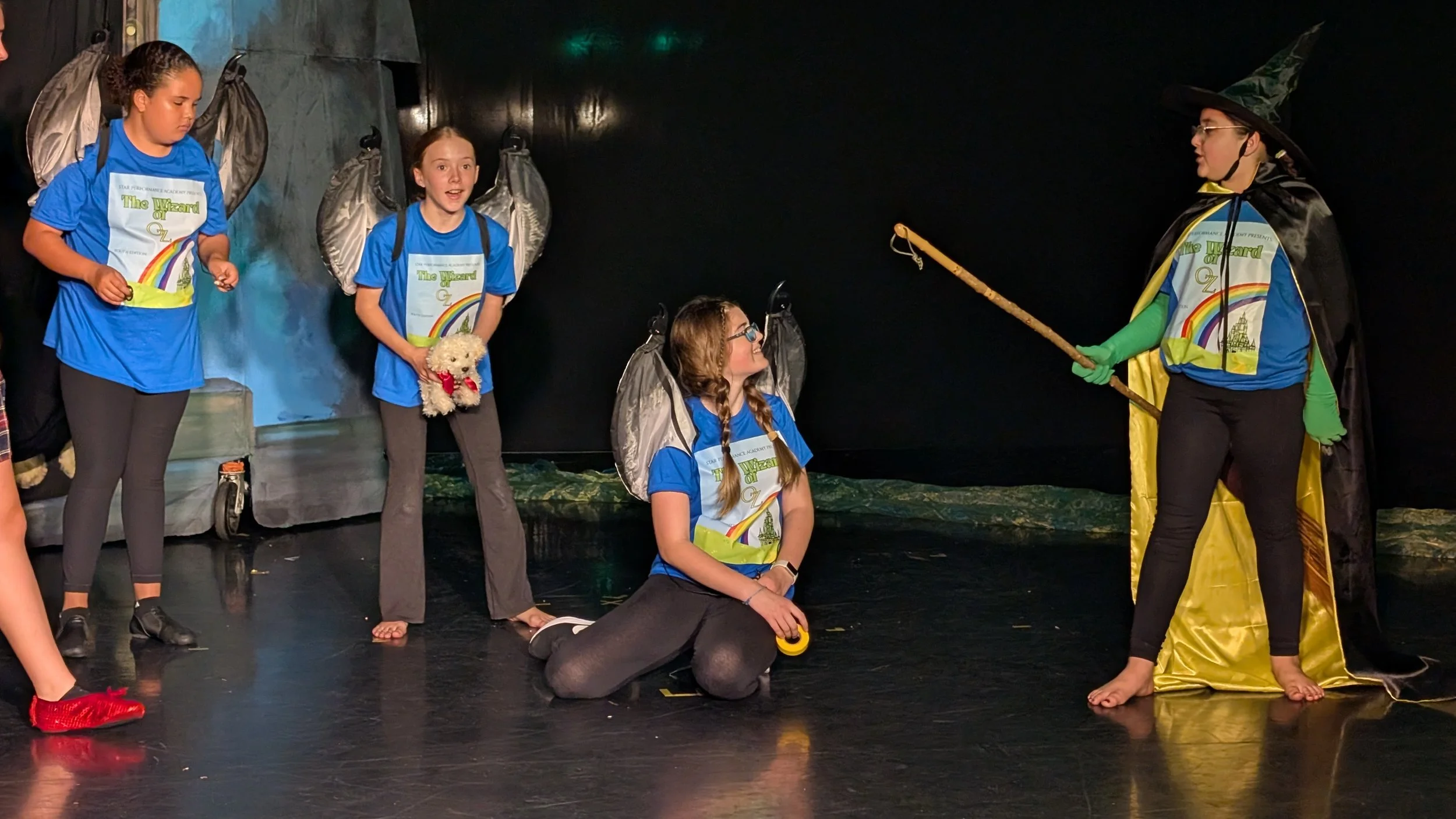
Summer Musical Rehearsal, 2025
If you've got a shy or reserved child, choosing an after-school activity can feel tricky. Team sports can move fast and feel competitive right out of the gate. Big group settings can feel overwhelming before a child has had a chance to warm up. So what actually works for a kid who needs a gentler entry point into trying something new?
At Star Performance Academy in Waterloo, this is something we see, and support, every single day.
Why the performing arts work well for shy kids
Dance, music, acting, and cirque classes are structured differently than most extracurriculars. Progress is personal and paced, not scored against a teammate. A child can start quietly in the back row and, over a few weeks, find themselves raising a hand to try a solo, without anyone forcing that moment.
The research backs this up too. Musical theatre programs have been linked to better school attendance and classroom engagement.¹ A separate 10-week study found kids in drama classes made real, measurable gains in social-emotional skills compared to kids who weren't in those classes.² Confidence in these settings tends to build gradually, through small wins, not big performances.
How we support shy kids specifically at Star
No pushing. It's not a word we use, or a skill we teach. We lean on internal motivation, encouragement, and "I did it" moments instead of pressure.
Skill-based grouping. Instructors group by skill as well as age, so a quieter, newer student is never thrown into a room of confident veterans.
A genuine community feel. Families often describe Star as a second family. Our waiting room is set up to feel like a living room, with free coffee and a spot to chat, so parents build friendships too, and kids see that modelled.
Low-pressure entry point. A free trial class means your child (and you) can see how it feels before committing to anything.
What this looks like in practice
A shy child's first class might mean standing near the back, watching more than participating, for the first week or two. That's normal, and it's welcomed. Instructors are trained to invite participation gently rather than call kids out. Many parents tell us the real shift happens around week three or four, when a child who used to cling to mom or dad at drop-off starts running in ahead of them.
Building both confidence and friendships
Because classes are small and consistent week to week, kids see the same faces and build real friendships, not just acquaintances. That's part of why we describe Star as a community, not a class list. For a shy child, that steady, familiar group can matter just as much as the class content itself.
Try a class, no pressure
If you're not sure whether your child is ready, a free trial class is a low-stakes way to find out. No audition, no experience needed, and no obligation to continue.
Sources
Estes, J.S., Brooks, M.R., & Mitchell, D.R. (2019). Effects of an After-School Musical Theater Program on Student Attendance, Behavior, Academic Achievement, and Social and Emotional Skills. Lipscomb University doctoral dissertation.
Usakli, H. (2018). Drama Based Social Emotional Learning. Global Research in Higher Education, 1(1), 1-16.